




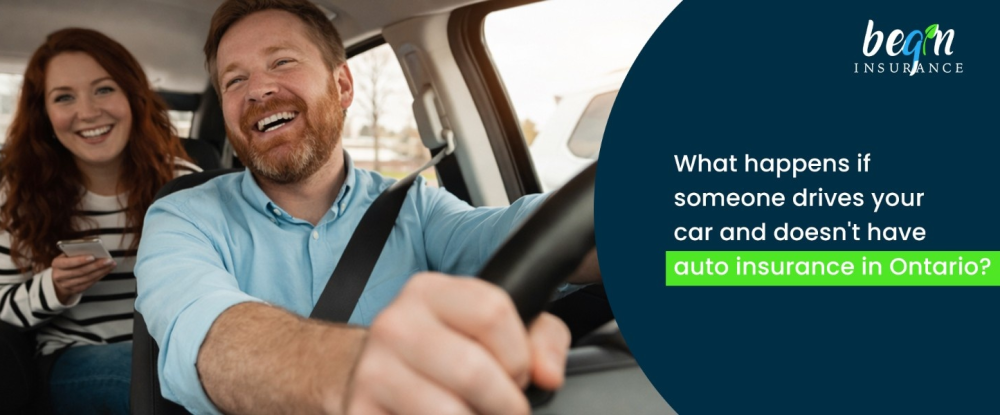
Lending your car to a friend or family member may seem like a simple, generous gesture. Whether a neighbour needs to pick up groceries or a relative requires a lift to the airport, handing over your keys might not feel like a big deal. However, in Ontario, doing so without fully understanding the insurance implications can lead to costly and long-lasting consequences—especially if the borrower does not have auto insurance.
Ontario’s auto insurance system is built around specific legal responsibilities. If the person driving your vehicle has no insurance of their own and ends up in an accident, your insurance policy becomes the primary coverage. While Ontario law allows for “permissive use,” that permission comes with risks.
Insurance in Ontario: The Basics
Insurance Follows the Vehicle, Not the Driver
In Ontario, insurance is tied to the vehicle, not the individual driver. That means when you allow someone to use your car, your policy is what protects the vehicle and any third parties—not the borrower’s personal insurance (if they have any).
| Scenario | Insurance Policy Used |
|---|---|
| You drive your own insured car | Your auto policy |
| You lend your car to a licensed friend | Your auto policy |
| You borrow someone else’s car (with permission) | Owner’s auto policy |
| You lend your car to someone unlicensed | No coverage – claim may be denied |
The Ontario Compulsory Automobile Insurance Act mandates that every car on the road must carry valid insurance. Police can charge both the driver and the vehicle owner if the car operates without insurance.
What If the Borrower Gets Into an Accident?
When a borrower without insurance causes an accident in your vehicle, you, as the owner, take on both legal and financial risk.
Your Insurance Pays
If you have collision coverage, your insurance pays to repair the vehicle. You must pay the deductible. If other vehicles or people are involved, your liability coverage covers the damages—up to your policy limits.
| Coverage Type | Applies to Borrowed Use? | What It Covers |
|---|---|---|
| Liability Coverage | Yes | Damage or injury to others |
| Accident Benefits | Yes | Medical expenses and income replacement |
| Collision Coverage | Only if purchased | Repairs to your own car |
| Comprehensive | Only if purchased | Theft, vandalism, natural disasters |
The Accident Affects Your Record
Even if you were not behind the wheel, the accident goes on your insurance record. This means:
Insurance companies assess the risk based on who you permit to drive. If the person has a poor driving history or makes a serious error, your rates reflect that risk.
- Loss of claims-free discount
- Increased premium rates
- Possible branding as a “high-risk” driver
- Impact for up to 6–10 years
When Your Claim Might Be Denied?
Your insurance policy might not protect you if specific legal requirements aren’t met. Here are key scenarios where your insurer could deny a claim.
| Reason for Denial | Explanation |
|---|---|
| Unlicensed or suspended driver | Lending to someone with an invalid licence voids coverage. |
| Excluded driver (OPCF 28A) | If you’ve excluded someone from your policy, and they drive, there’s no coverage. |
| Criminal activity | DUI, impaired driving, or using the vehicle in a crime results in denied claims. |
| Undisclosed regular user | A frequent driver not listed on your policy may void coverage due to misrepresentation. |
| Commercial use | Personal vehicles used for business purposes (e.g., ride-share) can create a gap in coverage. |
Important: If the insurer denies a claim, you and the driver may become personally liable for all damages, including injury claims and vehicle repairs.
Legal and Financial Risks to the Vehicle Owner
Even when you're not at fault for the accident itself, Ontario law considers the owner responsible for their vehicle.
Potential Consequences for the Owner:
- Your insurer may deny or limit claim payouts.
- Your policy may be cancelled or not renewed.
- You could face lawsuits if damages exceed your coverage limits.
- Your home, savings, or other personal assets may be at risk in extreme cases.
Ontario’s minimum liability limit is $200,000, but most drivers carry $1 million or $2 million. Accidents involving severe injuries or multiple vehicles can easily exceed policy limits.
Penalties for Uninsured Drivers in Ontario
Even if a borrower does not own a vehicle or hold their own policy, they are still responsible under the law.
| Offence | Penalty |
|---|---|
| Driving without insurance | Fines from $5,000 to $25,000 (1st offence) |
| Repeat offences | Fines up to $50,000 |
| Licence suspension | Up to 1 year |
| Vehicle impoundment | Discretionary, especially in repeat cases |
| Record impact | Considered a provincial offence, not criminal |
Are There Penalties for the Car Owner?
Yes. If you lend your car without proper insurance, or to someone who shouldn’t drive, you can be held accountable.
| Owner Violation | Possible Consequence |
|---|---|
| Lending uninsured vehicle | Fine up to $50,000 |
| Regular user not listed on policy | Policy cancellation for non-disclosure |
| Lending to suspended/unlicensed driver | Claim denied, legal liability |
| Lending for commercial activity | Denied claim, coverage gaps |
Lending vs. Regular Use: Know the Difference
Ontario insurers distinguish between occasional borrowing and regular use. Misrepresenting the frequency of use can result in denied claims or policy cancellation.
| Driver Type | Frequency | Action Required |
|---|---|---|
| Incidental Borrower | 1–2 times per year | No policy change; covered under permissive use |
| Secondary Driver | Regular but not daily | Must be added as an occasional driver |
| Household Member | Anyone living with you | Must be listed, even if they rarely drive |
Expert Tip: Consider an Umbrella Policy
If you often lend your car, an umbrella policy can offer peace of mind. This type of insurance provides an additional layer of liability coverage above your auto policy. It protects your personal assets if a lawsuit exceeds your existing limits.
Allowing someone else to drive your car in Ontario can lead to serious consequences if not handled properly. While it’s legal to lend your vehicle to a licensed driver, doing so without understanding the insurance implications could result in increased premiums, denied claims, legal exposure, or worse.
Key Takeaways:
- Your car = your insurance.
- You are responsible for who drives your vehicle.
- Claims affect your insurance, even if you weren’t driving.
- Some situations void coverage entirely.
- Always inform your insurer of regular drivers.
Before handing over your keys, ask yourself: Do I trust this person’s driving ability, and do I understand the risks involved?
Looking for more information on auto insurance in Ontario?
Auto insurance questions often feel stressful, especially after an accident or during a policy review. At Begin Insurance, our licensed brokers help drivers across Ontario understand coverage, compare options, and secure policies that fit real-life needs.
Whether you are a first-time car owner, a high-risk driver, or new to Canada, we offer you personalized guidance and help you find the right auto insurance within your budget.
To learn about the different types of auto insurance in Ontario, contact us.